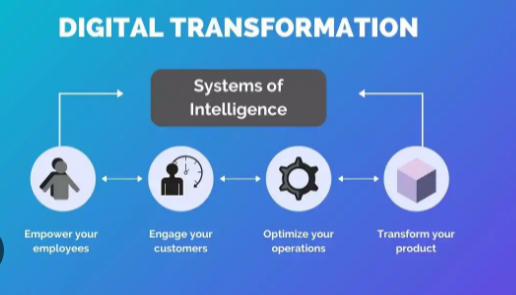
Digital technology is transforming the landscape of modern life. Its components, such as cloud computing, artificial intelligence, and the Internet of Things, raise intriguing questions about their impact on daily interactions. Each innovation offers distinct advantages and potential challenges. How do these elements intersect, and what implications do they hold for the future? Understanding their roles may reveal deeper insights into an increasingly interconnected world. The exploration begins with cloud computing.
Understanding Cloud Computing
Cloud computing has emerged as a transformative force in the realm of digital technology, raising questions about its implications for data management and accessibility.
The advent of cloud storage allows individuals and organizations to access and store data effortlessly.
However, concerns over data security loom large, prompting a critical examination of the balance between convenience and the safeguarding of sensitive information in this evolving landscape.
Exploring Artificial Intelligence
As digital technology continues to evolve, artificial intelligence (AI) stands out as a groundbreaking development with the potential to reshape various industries.
Through machine learning and neural networks, AI systems can analyze vast datasets, uncover patterns, and make predictions. This raises intriguing questions about autonomy, ethics, and the future of human labor.
How might society adapt to the increasing presence of intelligent machines?
Read Also: Digital Responsibility in Technology
The Internet of Things Explained
The Internet of Things (IoT) represents a transformative network of interconnected devices that communicate and share data seamlessly.
This evolution fosters smart homes, where appliances enhance convenience and efficiency, while wearable devices track health metrics, promoting personal well-being.
How do these innovations shape daily life? As the IoT expands, one must consider the implications for autonomy and connectivity in an increasingly digital world.
Cybersecurity in the Digital Age
In an era where digital interactions dominate everyday life, the importance of cybersecurity becomes increasingly apparent. Individuals and organizations must prioritize data protection strategies to safeguard sensitive information from malicious attacks.
Analyzing security breaches reveals vulnerabilities that can be exploited, prompting a reevaluation of existing defenses. As reliance on technology grows, so does the imperative for robust cybersecurity measures to ensure freedom and privacy online.
Conclusion
In conclusion, the rapid evolution of digital technology is not merely a trend but a profound shift in how society operates. For instance, studies show that by 2025, the global cloud computing market is expected to reach $832.1 billion, highlighting the increasing reliance on digital infrastructure. This statistic raises questions about the implications for privacy, security, and the future of work, urging a closer examination of how these technologies will shape human interactions and business practices moving forward.