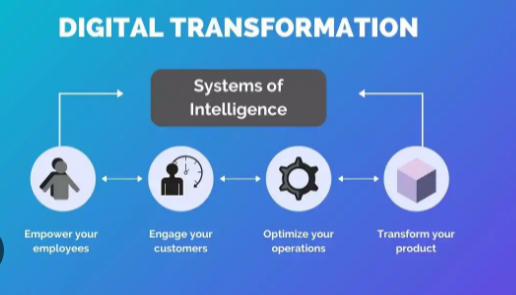
Digital transformation represents a pivotal shift in organizational practices. It involves leveraging technology to optimize operations and enhance customer interactions. By integrating tools such as cloud computing and data analytics, businesses can achieve greater agility and efficiency. However, this journey is not without its challenges. Understanding these dynamics is essential for organizations aiming to thrive in a rapidly evolving digital landscape. What strategies can be employed to navigate these complexities effectively?
Understanding Digital Transformation
Digital transformation represents a paradigm shift in how organizations leverage technology to enhance their operations and deliver value.
This evolution necessitates a robust digital strategy, aligning technological advancements with organizational change.
By embracing innovative tools and methodologies, businesses can foster agility, improve customer experiences, and ultimately drive sustainable growth.
Understanding this transformation is crucial for organizations seeking to thrive in an increasingly digital landscape.
Key Components of Digital Transformation
A comprehensive understanding of the key components driving digital transformation is essential for organizations aiming to succeed in a tech-centric environment.
Cloud computing enables scalable infrastructure, facilitating agile operations.
Meanwhile, data analytics empowers organizations to derive actionable insights, fostering informed decision-making.
Together, these components create a framework that supports innovation and responsiveness, essential for navigating the complexities of today’s digital landscape.
Benefits of Embracing Digital Transformation
Embracing digital transformation offers organizations a myriad of advantages that extend beyond mere technological upgrades.
It enhances customer engagement through personalized interactions and data-driven insights, fostering loyalty and satisfaction.
Furthermore, it bolsters operational efficiency by streamlining processes and automating tasks, allowing teams to focus on strategic initiatives.
Ultimately, this transformation empowers organizations to adapt swiftly to market changes and innovate continuously.
Challenges in the Digital Transformation Journey
While the potential benefits of digital transformation are substantial, organizations often encounter significant challenges that can hinder progress.
Resistance management becomes crucial as employees may resist changes to established practices.
Additionally, talent acquisition poses a hurdle; finding individuals with the necessary digital skills requires strategic foresight.
Addressing these challenges is essential for fostering an environment conducive to innovation and adaptability in the digital age.
Read Also: Digital Technology Explained
Conclusion
In conclusion, digital transformation is not merely a trend but a strategic necessity for organizations aiming for sustainable growth. A striking statistic reveals that 70% of digital transformation initiatives fail due to inadequate change management and resistance to innovation. This underscores the importance of a holistic approach that integrates technology with organizational culture and processes. By proactively addressing these challenges, businesses can unlock the full potential of digital transformation, ensuring they remain competitive and agile in a rapidly evolving marketplace.