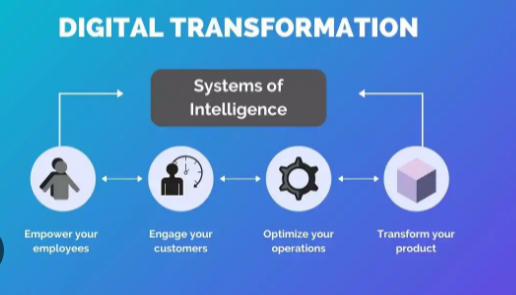
Disruptive technologies reshape industries by introducing innovations that challenge established business models. They offer more accessible and affordable solutions, altering consumer behavior and expectations. As organizations grapple with these changes, the necessity for adaptability becomes clear. Stakeholders must consider how to navigate this evolving landscape. What strategies will prove effective in harnessing the potential of these technologies? The answers lie in exploring the implications of this disruption further.
Understanding Disruptive Technologies
How do disruptive technologies fundamentally alter established industries? They embody disruption characteristics such as accessibility, affordability, and convenience, reshaping market dynamics.
As technology evolution accelerates, traditional companies often struggle to adapt, leading to market displacement. This transformation empowers consumers, granting them unprecedented choices and opportunities.
Understanding these changes is crucial for stakeholders aiming to navigate the fluid landscape of modern innovation and maintain their competitive edge.
Key Examples of Disruptive Innovations
Numerous examples of disruptive innovations have emerged in recent years, fundamentally reshaping various sectors.
Blockchain technology has revolutionized financial transactions, providing decentralized security and transparency.
Meanwhile, electric vehicles have challenged traditional automotive paradigms, promoting sustainability and reducing reliance on fossil fuels.
These innovations not only enhance operational efficiency but also empower consumers, fostering a shift towards greater autonomy and environmental responsibility in their choices.
Read Also: Digital Technology Explained
The Impact of Disruption on Industries
As industries grapple with the rapid pace of disruptive technologies, their ability to adapt often determines long-term viability.
Industry transformation is not merely a trend; it reshapes market dynamics, compelling organizations to innovate or risk obsolescence.
Those that recognize and embrace these shifts can thrive, while others may find themselves struggling to maintain relevance in an increasingly competitive landscape.
Preparing for a Disruptive Future
A proactive approach to preparing for a disruptive future is essential for organizations seeking to maintain their competitive edge.
Future readiness demands ongoing assessment of emerging trends and technologies.
Strategic adaptation enables businesses to pivot quickly, fostering resilience and innovation.
Conclusion
In the relentless tide of innovation, disruptive technologies emerge as both tempest and beacon, reshaping industries and redefining consumer landscapes. As organizations navigate this shifting terrain, the imperative to adapt becomes as crucial as the air they breathe. Embracing a culture of continuous learning and strategic foresight is not merely advisable; it is essential for survival. Thus, stakeholders must not only weather the storm of change but also harness its energy to propel themselves into a future ripe with potential.