Strategic Momentum combines operational sequencing, resource discipline, and precise timing to sustain forward motion in complex contexts. The framework emphasizes deliberate order, real-time feedback, and lightweight playbooks that translate strategy into repeatable actions. By aligning milestones with measurable outcomes, teams can maintain autonomy while enforcing disciplined planning. The approach invites scrutiny of leverage points and cadence-driven transitions, yet it stops short of a final verdict, signaling that further refinement may reveal deeper performance gains.
What Tactical Performance Layout 5543623514 Strategic Momentum Is
Tactical Performance Layout 5543623514 Strategic Momentum refers to a structured framework that integrates operational sequencing, resource allocation, and timing to sustain forward drive in complex environments.
It analyzes contexts explored to identify leverage points, aligning actions with measurable milestones.
Cadence optimization emerges as a core principle, enabling smooth transition between phases while preserving autonomy, adaptability, and disciplined planning for enduring momentum.
How Deliberate Sequencing Builds Momentum Under Pressure
Deliberate sequencing builds momentum under pressure by structuring actions so each step reinforces the next, even when external conditions constrain pace.
The approach analyzes task dependencies, allocates resources, and times transitions to preempt stalls.
Real-Time Feedback Loops: From Data to Actionable Adjustments
Real-time feedback loops convert incoming data into immediate, actionable adjustments by closing the gap between observation and response.
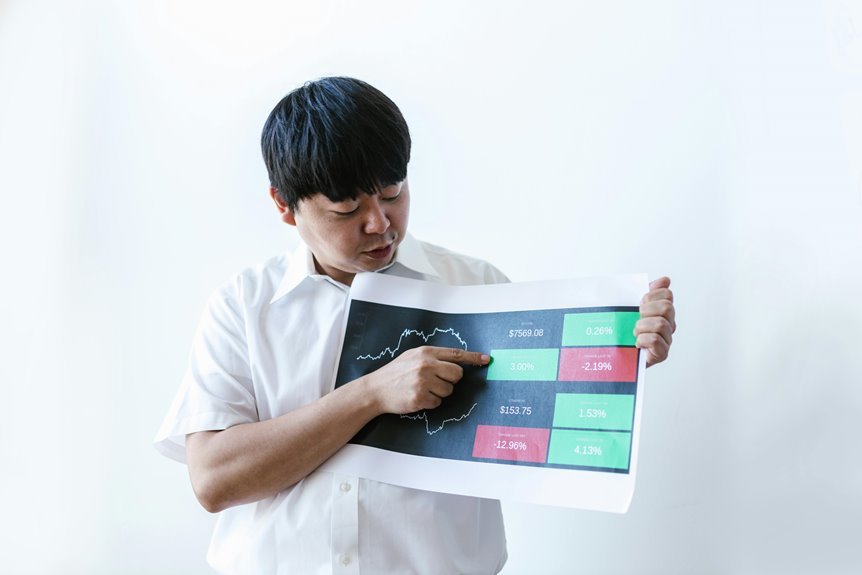
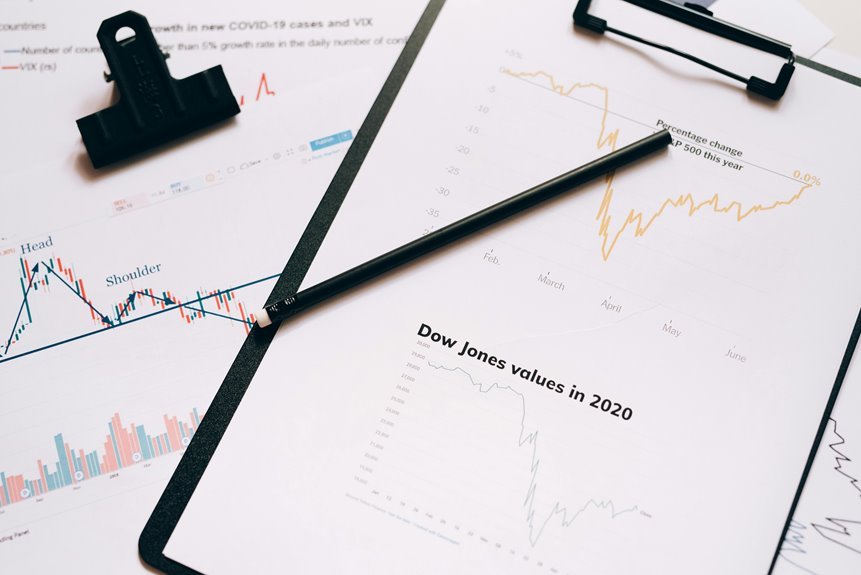
Data visualization translates metrics into accessible insight, enabling rapid interpretation.
Cross functional coordination aligns teams, ensuring synchronized pivots.
The process emphasizes iterative learning, disciplined measurement, and timely recalibration, fostering proactive adaptation, disciplined foresight, and strategic momentum without overreliance on intuition alone.
Practical Frameworks to Implement Momentum in Teams and Projects
What concrete frameworks enable momentum to persist across teams and projects, translating strategic intent into consistent progress? A structured approach pairs objective hierarchies with cadence-driven rituals, clear ownership, and transparent reporting. It emphasizes team alignment through shared metrics, risk mitigation via early warning signals, and iterative review cycles. Decision gates sustain momentum, while lightweight playbooks translate strategy into repeatable, disciplined action.
Conclusion
In conclusion, Tactical Performance Layout 5543623514 Strategic Momentum translates plans into disciplined action through deliberate sequencing, real-time feedback, and iterative learning. By aligning resources with measurable milestones, teams preserve autonomy while sustaining momentum under pressure. The framework acts as a medical monitor for projects, diagnosing deviations early and delivering timely corrections. Like a high-precision clock, it ensures cadence-driven transitions remain synchronized, enabling enduring forward drive across evolving landscapes.